
Clinical Pathology
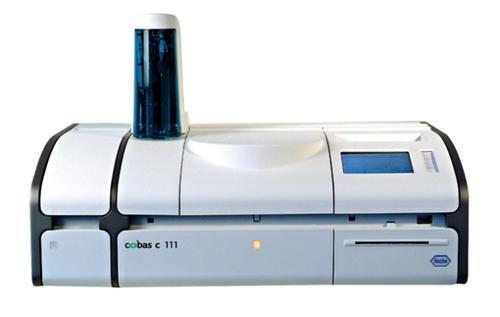
These include but are not limited to:
Clinical chemistry (also known as chemical pathology) extends across most medical specialities and involves the biochemical investigation of bodily fluids (blood – whole blood, serum or plasma; urine; cerebrospinal fluid; and other fluids such as effusions, seminal fluid, sweat and amniotic fluid). Clinicians rely on this essential information to aid diagnosis as well as management and follow-up of patients.
Our fully automated analysers ensure efficient turn-around-times (2 hours for urgent requests and same day for routines). All analyses are enrolled to internal and external quality control schemes with over 400 laboratory participants. This ensures that we only give quality and accurate results to patients. Our expert team provides interpretation and discussion of results when required. The Clinical Chemistry laboratory provides routine and state of the art specialized assays for patient care.
Routines tests: urea and electrolytes (kidney function), liver function, glucose, calcium, magnesium, lipids, protein electrophoresis (paraprotein)
Diabetes diagnostic tests: glucose, glucose tolerance test, glucose challenge test in pregnancy, HbA1C, C-peptide, quick index
Cardiac markers: Troponin, pro-BNP
Mineral and vitamins: iron studies, vitamin B12, folate, vitamin D
Endocrinology: thyroid function, cortisol, testosterone, oestrogen, anti-mullerian hormone, infertility screen prolactin, pituitary hormones
Tumour markers: PSA (prostate specific antigen), CEA, Ca 125, Ca 19-9, AFP
Therapeutic Drug Monitoring: carbamazepine, sodium valproate, ciclosporin, tacrolimus, gentamicin, vancomycin
Toxicology: screening for drugs of abuse
Occupational testing: heavy metal studies, industrial screening
Endocrinology
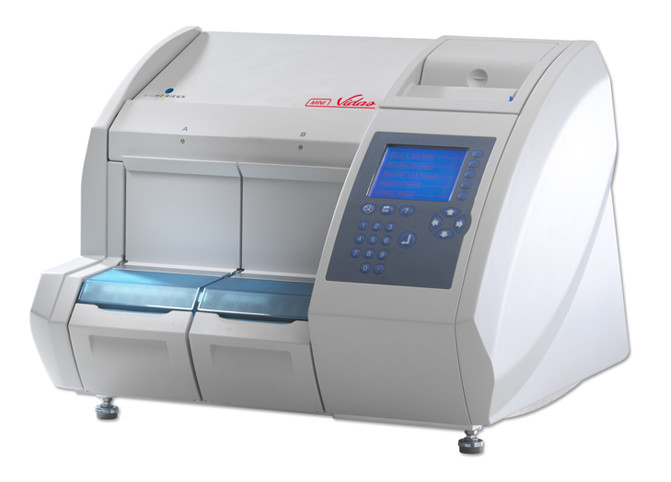
Common tests include:
Laboratory tests measuring hormone levels are important in diagnosing endocrine (hormonal) disorders. The endocrine system is complex and results need to be interpreted with clinical information. Hormone levels can fluctuate e.g. level of cortisol is affected by time of day sample is taken, levels of LH, FSH are affected by timing with menstrual cycle. It is therefore important to ensure instructions regarding sampling are followed. Response to treatment for endocrine disorders is also monitored through laboratory tests.
A comprehensive range of tests are offered at ASK Path Labs.
Thyroid function – TSH (Thyroid Stimulating Hormone), T3, T4, Thyroglobulin
Testosterone
Oestrogen
Fertility assessment: Anti-Mullerian hormone, FSH (Follicle Stimulating Hormone), LH (Luteinising Hormone), Prolactin
Cortisol, ACTH (Adrenocorticotrophic Hormone)
Growth Hormone
IGF-1 (Insulin Like Growth Factor-1)
Haematology & Coagulation
Examples of common tests are listed below:
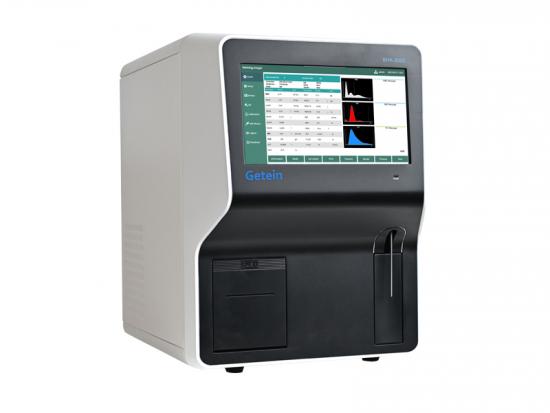
Laboratory haematology involves testing for disorders of the blood and bone marrow. Automated analysers count the number of blood cells; in particular red blood cells, white blood cells and platelets. The shape, size and relationship of cells to each other is assessed by studying the peripheral blood film under the microscope. Abnormal inclusions such as malaria parasites are also looked for. Haematology tests are key in diagnosing a wide range of benign and malignant diseases such as anaemia, thalassaemia, sickle cell disease, leukaemia, aplastic anaemia. Coagulation tests measure the blood’s ability to clot, and how long it takes to clot. These tests are important in assessing risk of excessive bleeding or developing thrombosis (blood clots).
At Pathcare a wide range of tests are performed and result interpretation is provided by experts.
Full Blood Count – detects anaemia, low or high numbers of white cells or platelets
Blood Grouping – and detection of antibodies e.g. Rhesus D in pregnancy
Clotting assays – detect bleeding disorders such as haemophilia, DIC
INR- monitoring for patients on warfarin/blood thinners
D-Dimer – predicts risk of blood clot
Haemoglobinopathy testing – detects thalassaemia, sickle cell, abnormal haemoglobin
Bone marrow aspiration and trephine biopsy
Immunophenotyping – flow cytometry to subclassify leukaemias as well as CD4 and CD8 count monitoring in HIV
Microbiology
examples are listed below:
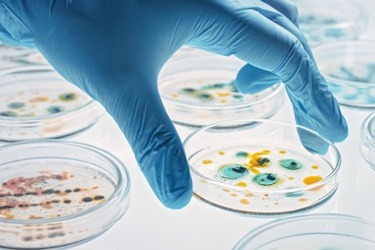
Microbiology plays a key role in diagnosing and treating infectious diseases. Relevant samples from tissue, body fluids (blood, urine, faeces, CSF, abscesses, ascites, pleural fluid) are analysed to identify micro-organisms; bacteria, fungi, parasites, viruses. Tests include cultures and microscopy. Molecular and PCR testing methods are highly sensitive and can detect and quantify DNA from micro-organisms. The sensitivity of micro-organisms to therapies (e.g. antibiotics, anti-virals, anti-TB medication) can be tested, for which can detect resistance and inform treatment decisions.
Our experienced team at Pathcare Kenya offer clinical interpretation in addition to the comprehensive range of tests,
Bacterial cultures and antibiotic sensitivities with CLSI guidance on resistance mechanisms
Add-on tests to aspirate culture requests such as polarized microscopy for crystals, amoeba from liver aspirates, and TB microscopy as relevant
MRSA screening for infection control and pre-operative patients
Viral detection and quantification e.g. HIV viral loads, Hepatitis B viral loads
Mycobacterium (tuberculosis) culture and molecular tests. Genotyping for drug resistance
PCR STI panel for C.trachomatis and N.gonorrhoeae
Examination of thick and thin blood films for species of malaria and rapid antigen detection for P. falciparum
Stool cultures for pathogens such as Salmonella, Shigella, EPEC (including serotyping), Campylobacter
Fungal antigen, microscopy and cultures – Aspergillus precipitins, β-D glucan, PCP
COVID-19 RT-PCR testing and rapid antigen detection
Histology
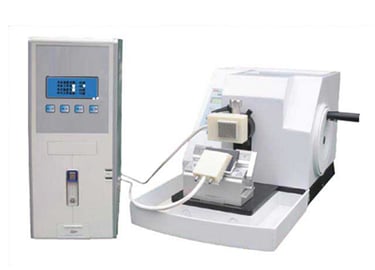
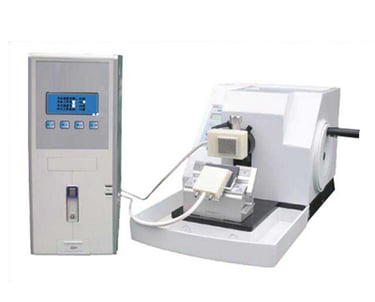
Further advanced methods may be required
ASK Path Labs is renowned for its expert team of medical histopathologists with a wealth of experience in the field. Histopathologists are responsible for making tissue diagnoses which is fundamental for appropriate management of a patient. Biological tissue obtained from the patient via biopsy or surgery is processed and cells examined under the microscope. Histopatology is essential in diagnosing diseases such as cancer, pre-cancerous changes, inflammation and infection. Interpretation of the findings in conjunction with clinical history and liaison with the clinician is key to obtaining an accurate final diagnosis.
Special stains
Immunohistochemistry to identify subtype of cancer
Tumour markers – inform clinical treatment with targeted therapies e.g. hormone receptors in breast cancer
Molecular tests - flourescence in-situ hybridisation (FISH) and polymerase chain reaction (PCR) to map the genetic material in tissues or tumours
Stains to assess for infection – Ziehl-Neelsen stain to identify mycobacteria (TB), fungal stains
Cytology


We offer a wide range of cytology tests including:
Histopathologists also examine cells in bodily fluids (cytopathology). The cells are smeared on a slide, stained and examined under the microscope. The cells seen can indicate whether there is infection, cancer or pre-cancerous cells. A well-known application of cytopathology is the Pap smear, used as a screening tool, to detect precancerous cervical lesions and prevent cervical cancer.
Special stains
Immunohistochemistry to identify subtype of cancer
Tumour markers – inform clinical treatment with targeted therapies e.g. hormone receptors in breast cancer
Molecular tests - flourescence in-situ hybridisation (FISH) and polymerase chain reaction (PCR) to map the genetic material in tissues or tumours
Stains to assess for infection – Ziehl-Neelsen stain to identify mycobacteria (TB), fungal stains
Serology
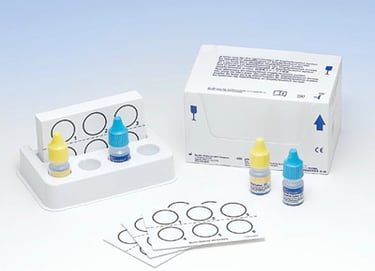
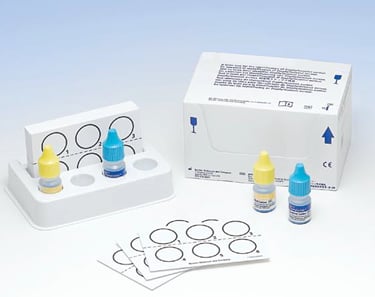
ASK Path Labs offer a broad range of serology tests.
The immune system produces antibodies in response to infection, inflammation and in autoimmune diseases. The presence of antibodies to specific organisms (viral/bacterial) can indicate current and/or previous infection or vaccination. In autoimmune conditions the body produces ‘an immune reaction’ to its own organs. Laboratory tests are important in diagnosing these conditions.
Blood grouping serology: identify anti-RhD (Rhesus D) or other atypical antibodies
Autoimmune profile: ANA, anti-dsDNA, ANCA
Antiphospholipid and Lupus antibodies
Immunoglobulins: identify hypogammaglobulinaemia or paraprotein
Antibodies to specific micro-organisms: e.g. antibodies to CMV, EBV, measles, mumps, rubella, pneumococcus, Hepatitis B core antibody, Hepatitis surface antigen antibody, Hepatitis C antibody
Genetics & Molecular Biology
Examples listed below:
Genetic testing identifies changes in genes, chromosomes or proteins. Molecular diagnostics involves analysing DNA or RNA from cells. The field is rapidly evolving with new highly complex tests and technologies being integrated into clinical practice. The goal is to achieve precision medicine.
Molecular diagnostics has a key role in disease detection, monitoring, diagnosis and prognostication thus guiding treatment decisions. The detection of tumour or tissue specific mutations and expression markers can be utilised for diagnosing tumours and tailoring therapy to personalise treatment.
Chromosomal testing: karyotyping, FISH or microarray to identify inherited conditions and acquired genetic changes
Detection of specific molecular mutations in tumours which allows for targeted therapy: e.g. BCR-ABL in chronic Myeloid Leukaemia (CML)
Detection of molecular lesions for diagnostic, carrier, predictive or prenatal testing for single-gene disorders such as cystic fibrosis or hereditary breast (BRCA1 and BRCA2) and ovarian cancer that predict for disease
NGS (Next Generation Sequencing) refers to DNA sequencing technology that allows for querying the genome
Mutational profiling of tumours for prognostication and to identify therapeutic targets
Identification of microorganisms which are difficult to culture Antenatal screening:
NIPT (non-invasive prenatal testing) – genetic test of fetal DNA found in maternal blood
Genetic analysis of amniotic fluid
HLA tissue typing
Paternity testing
Sensitive PCR (Polymerase chain reaction) tests to detect and quantify microorganisms (bacteria, virus, fungi)
Specific microorganism detection: HIV, HPV, TB
Viral levels: HIV viral loads, Hepatitis B viral loads
Drug resistance
I experienced a remarkable transformation in my health through natural healing. The treatments offered here truly minimize the need for conventional drugs. Highly recommend!
John Doe


★★★★★